

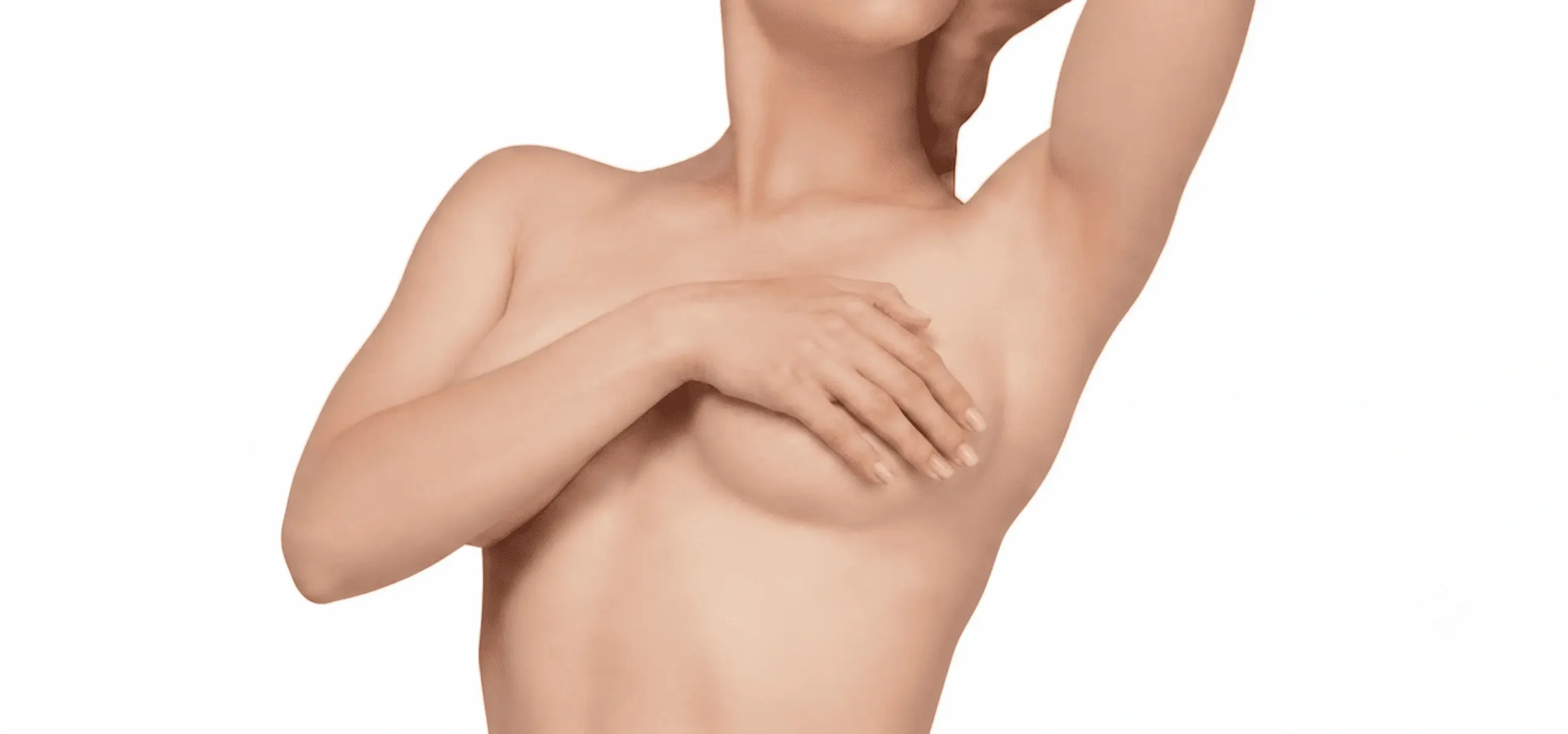
Breast implant exchange is a procedure in which existing breast implants are removed and replaced with new implants. Women may consider implant exchange for a variety of reasons, including changes in aesthetic preference, implant ageing, implant-related complications, or a desire to improve breast shape and symmetry. Over time, natural changes in the body such as ageing, pregnancy, weight fluctuations, or skin laxity can also affect the appearance of augmented breasts, and implant exchange can help restore a more balanced and natural contour.
In some cases, breast implant exchange may be combined with fat transfer (also known as lipomodelling). This technique involves transferring small amounts of the patient’s own fat—usually taken from areas such as the abdomen, thighs, or flanks—into the breast to improve shape, contour, and softness. Fat transfer can help refine the final result by smoothing implant edges, enhancing upper pole fullness, improving cleavage, or correcting mild asymmetry. When used together, implant exchange and fat transfer allow for a highly personalised approach to breast revision surgery.
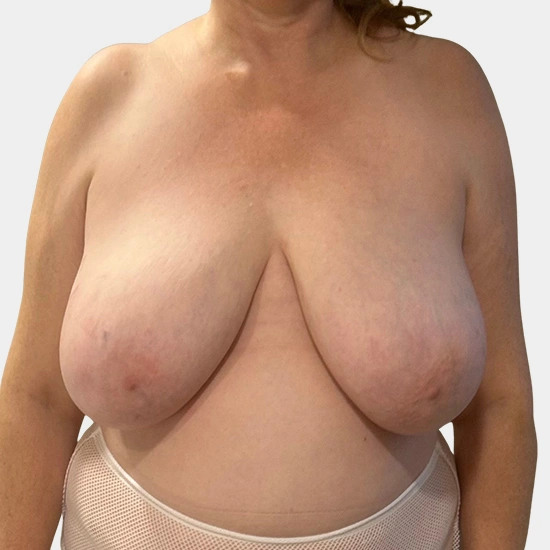
Women may also choose to have a breast lift at the same time as the implant exchange. A lot more women prefer to reduce the volume at the time of revision surgery and the breast lift allows women to achieve smaller pockets which can hold smaller implants. Ms Varghese will go through all the options. Some women have given permission for their photographs to be used here on the website. Others have given permission for their photographs to be used in the office and Ms Varghese will go through them with you to improve your understanding of the procedures and allow you to choose the right option for you and your lifestyle.
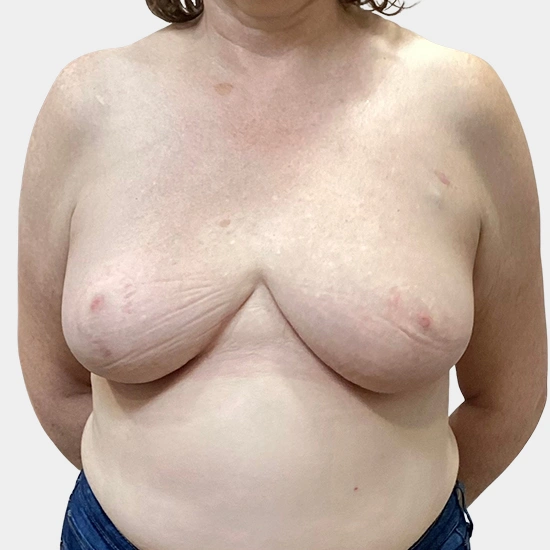
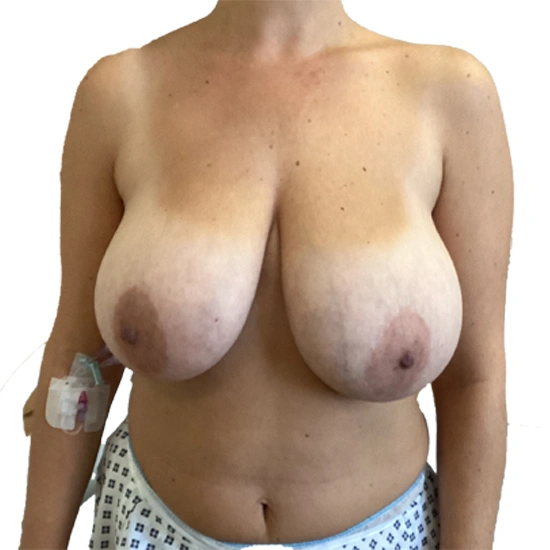
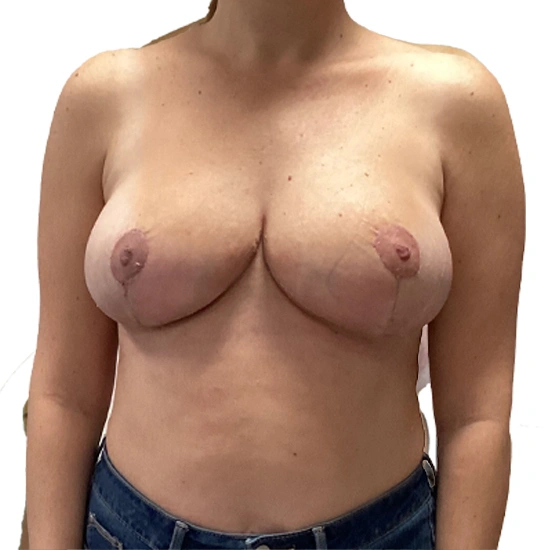
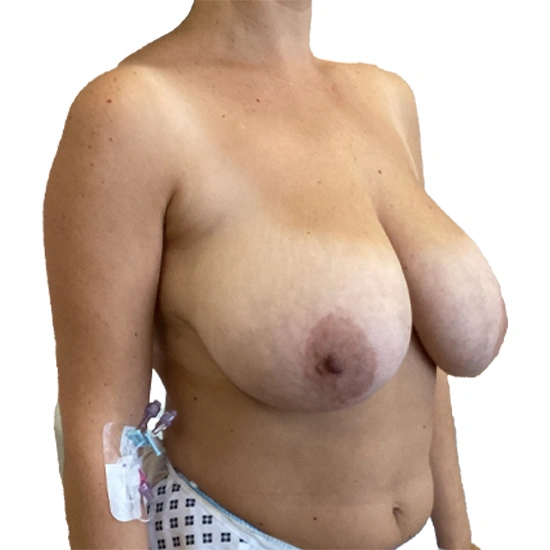
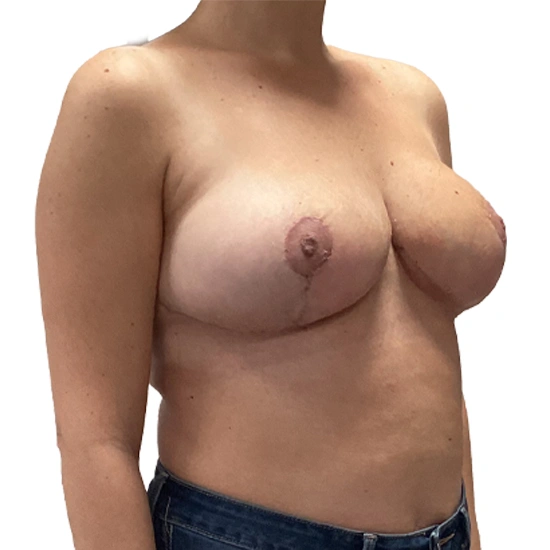
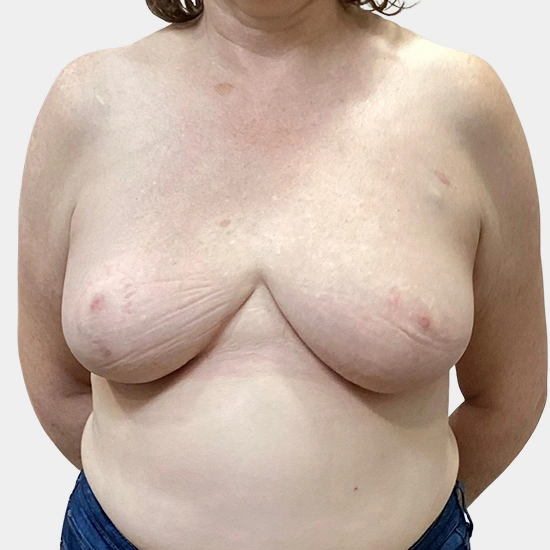
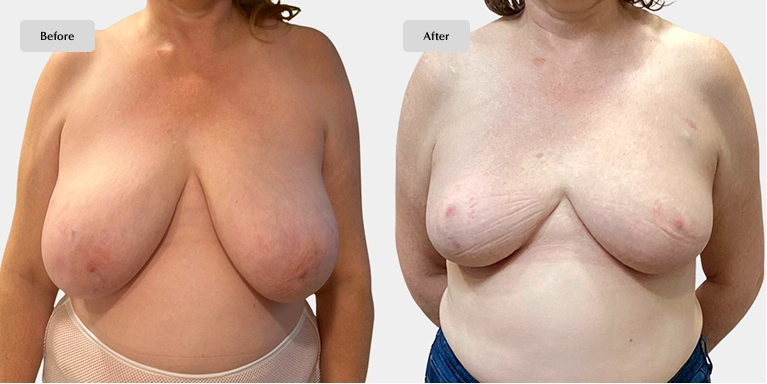
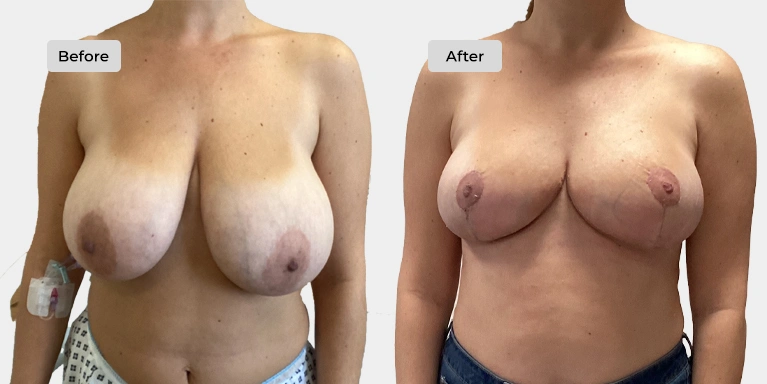
Breast Implant exchange with or without lift : At a Glance

Anaesthetic
General Anaesthetic

Hospital Stay
1 night
Drains
No drains
Operating Time
2–3 hours of surgical time

Time off work
1–2 weeks (depending on occupation)

Exercise
Walking and light activity from 24-48 hrs

Bra support
4–6 weeks

Sutures
Dissolvable – no removal required
Follow-up visit
1, 2, 4, 6 weeks and 3 months

Driving
Usually after 2 weeks
About Ms Jajini Varghese MPhil PhD FRCS(Plast)
Ms Jajini Varghese is a dual-qualified consultant breast and plastic surgeon with extensive experience in breast reduction, oncoplastic breast surgery, and breast reconstruction. She practises in London within specialist breast services and is known for her meticulous, patient-centred approach.
Her combined training allows her to focus equally on physical wellbeing, breast aesthetics, and long-term outcomes. She is committed to providing safe, evidence-based, and highly personalised care.


Dual-Qualified Surgical Expertise
Ms Varghese’s training in both breast surgery and plastic surgery enables her to deliver breast reduction procedures that prioritise safety, symmetry, and natural proportions. This integrated expertise ensures results that are both functional and aesthetically refined.

Personalised, Supportive Care
Every patient’s concerns and goals are unique. Ms Varghese takes time to understand symptoms, expectations, and lifestyle factors, guiding patients through their options with clarity, empathy, and honesty.

Ongoing Aftercare and Reassurance
Care does not end after surgery. Ms Varghese remains closely involved throughout recovery, providing guidance on healing, scar care, and long-term breast health. Patients benefit from continuity of care and reassurance at every stage of their journey.
Frequently Asked Question
There are several reasons women choose to replace their implants. These include changes in size preference, implant ageing, implant rupture or deflation, capsular contracture (scar tissue around the implant), implant malposition, or a desire to update older implants.
Breast implants are not lifetime devices. Many women choose to replace or revise their implants after 10–15 years, although some implants may last longer without problems. Implant exchange is often recommended if complications occur or if aesthetic goals change.
Fat transfer, or lipomodelling, involves removing fat from another area of the body using liposuction, processing the fat, and carefully injecting it into the breast. This can improve breast contour and provide a softer, more natural appearance.
Fat transfer can enhance the final aesthetic outcome by:
- Softening the edges of the implant
- Improving cleavage or upper breast fullness
- Correcting mild asymmetry
- Refining contour irregularities
- Creating a more natural transition between the chest and breast
It is particularly helpful in patients with thinner breast tissue where implant edges may be more visible.
Not necessarily. Implant exchange is often performed to change implant size, shape, or profile. Some patients choose larger implants, while others may prefer smaller implants combined with fat transfer to maintain volume while achieving a more natural look.
Yes. Implant exchange can improve breast shape, especially when combined with other procedures such as a breast lift (mastopexy) or fat transfer. These techniques can address issues such as breast sagging, asymmetry, or changes in breast position over time.
During your consultation, your surgeon will review your surgical history, assess your current implants and breast shape, and discuss your aesthetic goals. Together you will decide on the most appropriate implant type, size, and whether additional techniques such as fat transfer or a breast lift may help achieve the desired outcome.
Recovery varies depending on the complexity of the procedure. Most patients return to light daily activities within one to two weeks. Swelling gradually settles over several weeks, and the final result typically becomes more apparent as the breasts soften and settle.
As with any surgery, there are potential risks including infection, bleeding, capsular contracture, implant rupture, or changes in sensation. Your surgeon will discuss these risks in detail and explain how they are minimised.