

Breast conserving surgery is a well-established and highly effective treatment for many women with breast cancer. The aim of this approach is to remove the cancer completely while preserving as much of the natural breast as possible. For many women, this allows excellent cancer control while maintaining breast shape, confidence, and a sense of normality during and after treatment.
Ms Varghese regularly performs breast conserving surgery, also known as a lumpectomy or wide local excision. Each operation is carefully tailored to the size and position of the cancer, the individual breast shape, and the woman’s personal priorities. This thoughtful approach ensures that cancer safety remains the priority, while achieving the best possible cosmetic outcome.
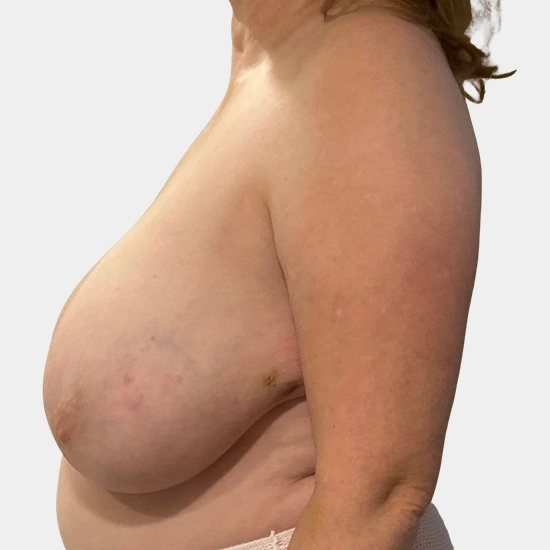
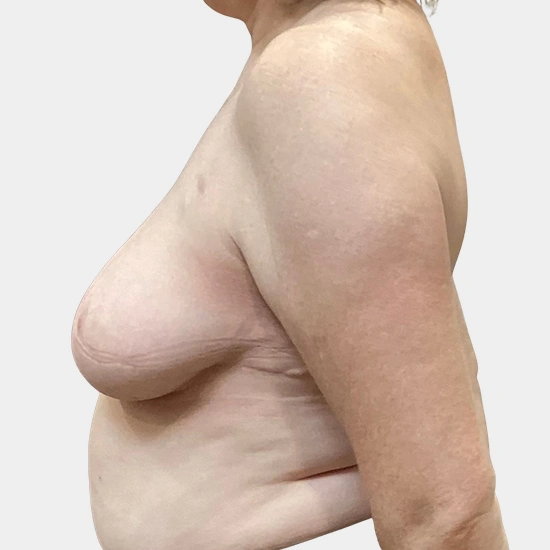
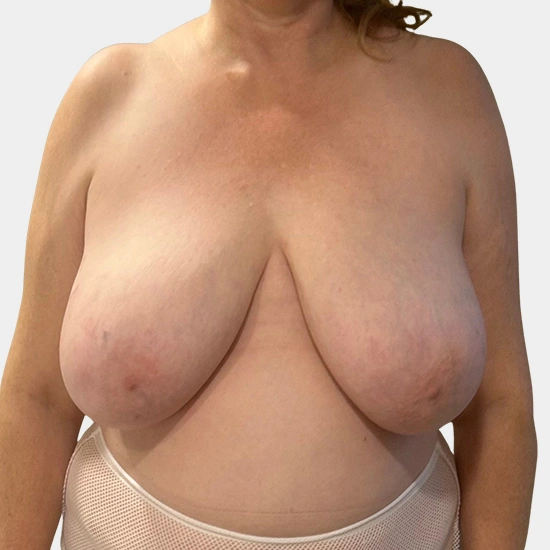
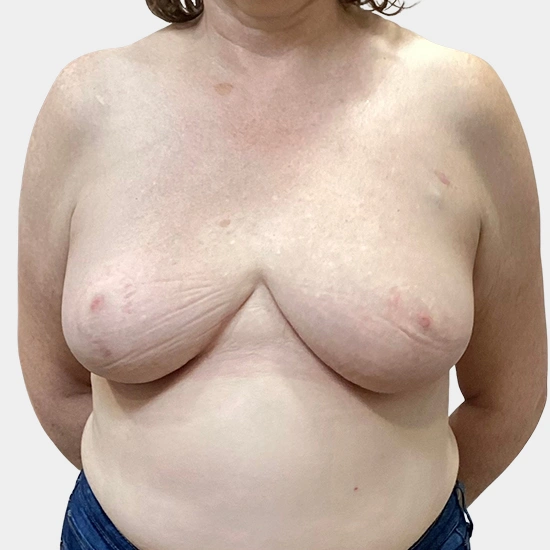
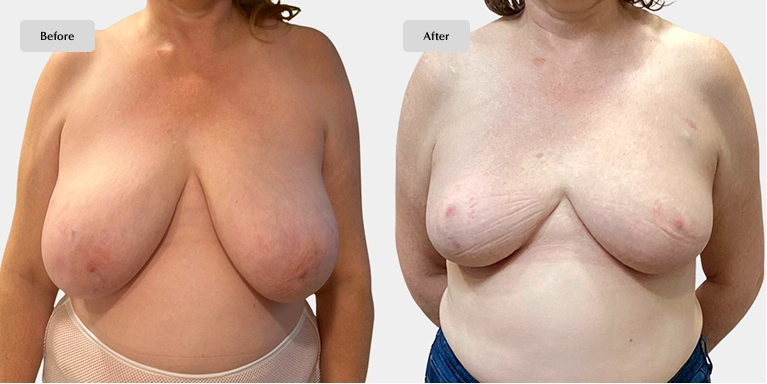
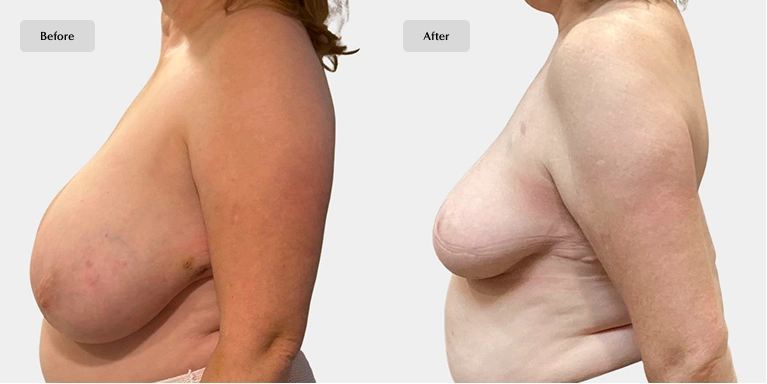
What Is Breast Conserving Surgery?
Breast conserving surgery involves removing the cancer along with a margin of healthy surrounding tissue, while keeping the rest of the breast intact. In most cases, this surgery is followed by radiotherapy, which significantly reduces the risk of cancer returning in the breast. For carefully selected patients, long-term outcomes are equivalent to those of mastectomy.
The guiding principle is always complete and safe cancer removal, combined with careful planning to preserve breast shape wherever possible. This balance between effective cancer treatment and appearance is central to Ms Varghese’s approach.
Is Breast Conserving Surgery Right for You?
Breast conserving surgery may be appropriate when the cancer is confined to one area of the breast, the tumour is small relative to breast size, and clear margins can be safely achieved. During consultation, Ms Varghese carefully reviews imaging and biopsy results and explains whether breast conserving surgery is a suitable option, taking into account both medical factors and personal wishes.
Every recommendation is made with care, clarity, and honesty, ensuring patients feel informed and supported as they consider their options.
Oncoplastic Breast Conserving Surgery
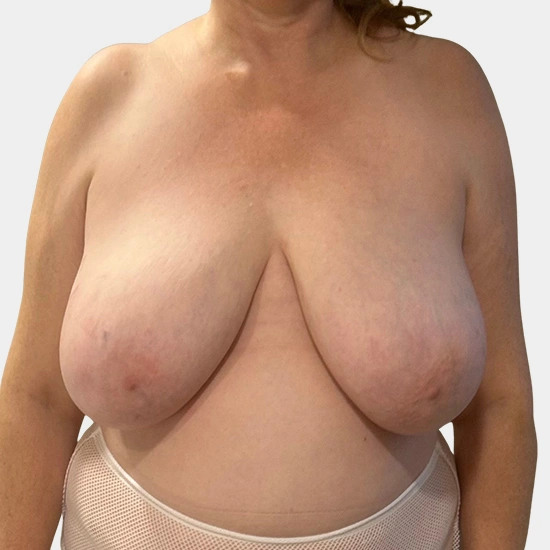
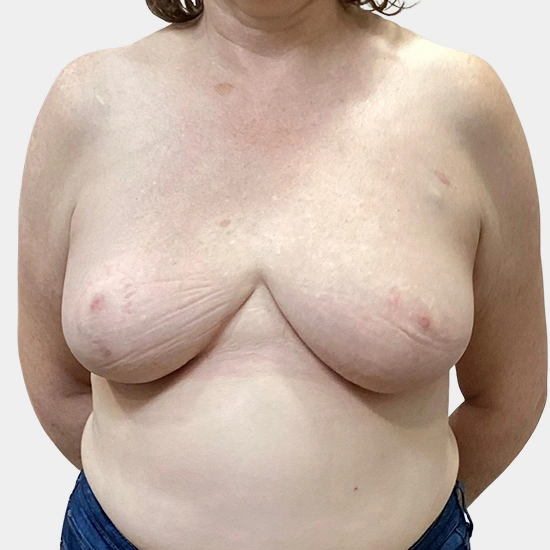
TIn some cases, removing the cancer alone can leave a visible dent, distortion, or change in breast shape. When this risk exists, Ms Varghese uses oncoplastic breast conserving techniques to reshape the breast at the same time as cancer removal.
This may involve rearranging breast tissue to fill the space left by the cancer, lifting or reshaping the breast, or performing a therapeutic mammoplasty in women with larger breasts. In selected cases, surgery to the opposite breast may be offered to improve balance and symmetry. These techniques allow wider cancer excision while maintaining a natural, balanced appearance.

Ms Varghese’s Approach
Ms Varghese believes that breast cancer surgery should never feel rushed or impersonal. She takes time to understand not only the diagnosis, but also how each woman feels about her body, lifestyle, and life after treatment.
She explains the extent of surgery being recommended, where scars are likely to be, how breast shape may change, and whether there is a possibility that further surgery could be needed. Patients are encouraged to ask questions, and more than one consultation is offered if helpful, so decisions are made with confidence and reassurance.
Recovery, Scars, and Long-Term Results
Most women recover well and relatively quickly after breast conserving surgery. The procedure is usually performed as a day case, drains are not routinely required, and absorbable stitches are placed beneath dressings. A supportive bra is recommended during recovery, and gentle activities can usually be resumed within a few days.
Bruising and swelling settle gradually over several weeks. Scars are usually discreet and continue to soften and fade over 12 to 18 months. Once healing is complete, Ms Varghese provides guidance on scar massage, silicone treatments, and laser therapy if appropriate.
Care, Support, and Reassurance
All treatment is planned within a specialist multidisciplinary breast cancer team, ensuring care is safe, evidence-based, and tailored to the individual. Ms Varghese works closely with radiologists, oncologists, pathologists, and specialist nurses to provide seamless, compassionate care.
For women who are newly diagnosed with breast cancer, she offers calm, expert guidance through every stage of treatment, helping them choose an approach that feels right for them.
Therapeutic Mammoplasty - At a Glance

Anaesthetic
General Anaesthetic

Hospital
1 night/day case
Drains
No drains
Operating Time
2 hours of surgical time

Time off work
1–2 weeks (depending on occupation)

Exercise
Walking and light activity from 24-48 hrs

Bra support
4–6 weeks

Sutures
Dissolvable – no removal required
Follow-up
1, 2, 4, 6 weeks and 3 months

Driving
Usually after 2 weeks as at this point you may not need any more dressings
About Ms Jajini Varghese MPhil PhD FRCS(Plast)
Ms Jajini Varghese is a dual-qualified consultant breast and plastic surgeon with extensive experience in oncoplastic breast surgery, breast-conserving surgery, and breast reconstruction. She practises in London within specialist breast cancer services and works as part of a multidisciplinary team to deliver safe, evidence-based, and highly personalised care.
Her dual training allows her to combine cancer surgery with reconstructive techniques, helping women achieve excellent cancer outcomes while preserving breast shape and confidence. Read patient reviews here


Specialist Oncoplastic Expertise
Ms Varghese is a dual-qualified consultant breast and plastic surgeon, allowing her to combine cancer surgery with reconstructive techniques. This expertise is particularly valuable in breast conserving surgery, where safe cancer removal and preservation of breast shape are addressed together, helping achieve both effective treatment and a natural-looking result.

Personalised, Compassionate Care
Every woman’s diagnosis, body, and priorities are different. Ms Varghese takes time to listen carefully, explain options clearly, and support patients in a calm, unhurried way. Care is delivered in a discreet and welcoming environment, with respect for privacy, dignity, and emotional wellbeing at every stage.

Comprehensive Aftercare
Care continues well beyond surgery. Ms Varghese remains closely involved throughout recovery, providing guidance on healing, scar care, radiotherapy planning, and long-term outcomes. With this continuity of care, patients feel supported, reassured, and confident as they move forward after treatment.