

Therapeutic mammoplasty is an advanced form of oncoplastic breast surgery that allows breast cancer to be removed while reshaping and lifting the breast at the same time. It is particularly well suited to women with medium to large breasts, where standard breast-conserving surgery may otherwise lead to distortion or asymmetry.
By combining the principles of breast cancer surgery and breast reduction surgery, therapeutic mammoplasty enables safe cancer treatment while preserving breast shape and symmetry— and in many cases improving comfort and quality of life. Ms Varghese regularly performs therapeutic mammoplasty as part of breast-conserving surgery and considers it one of the most rewarding procedures she offers, both surgically and personally.
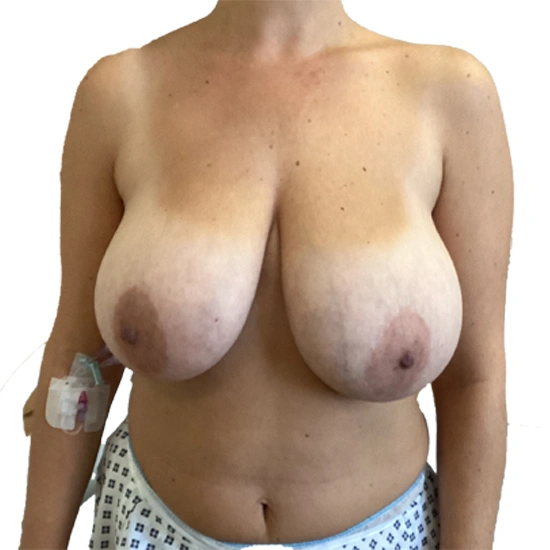
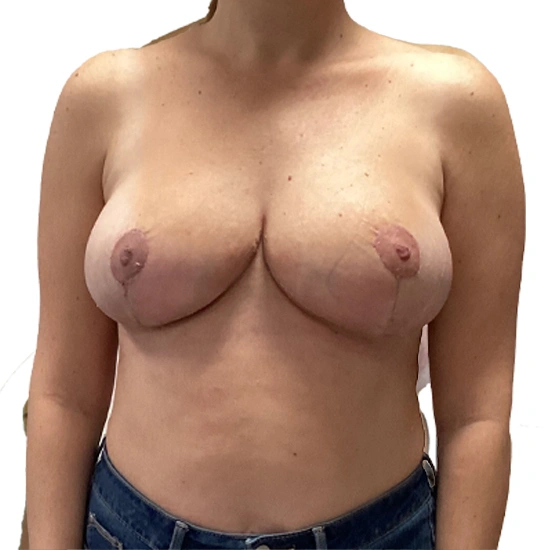
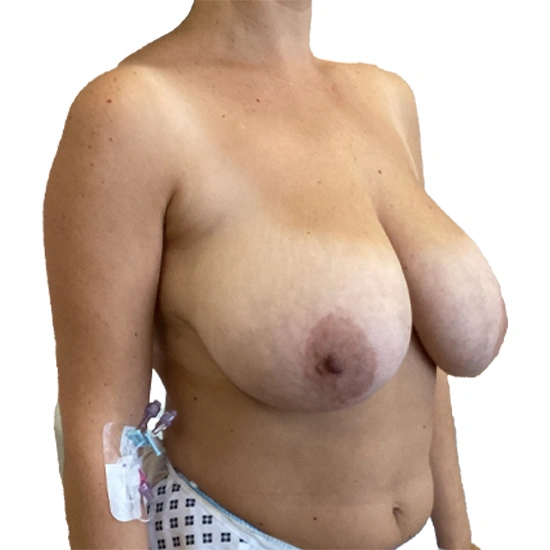
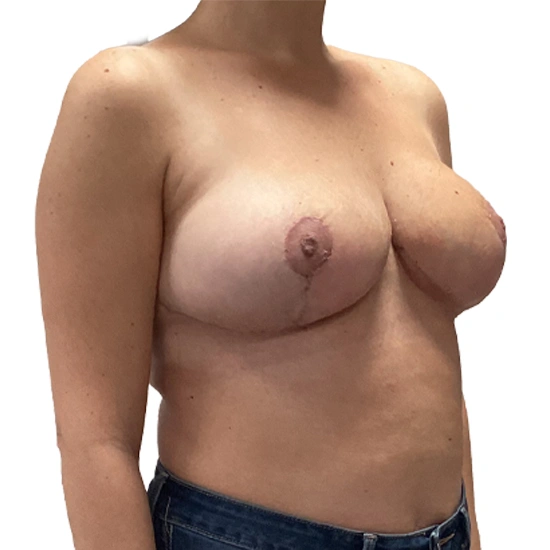
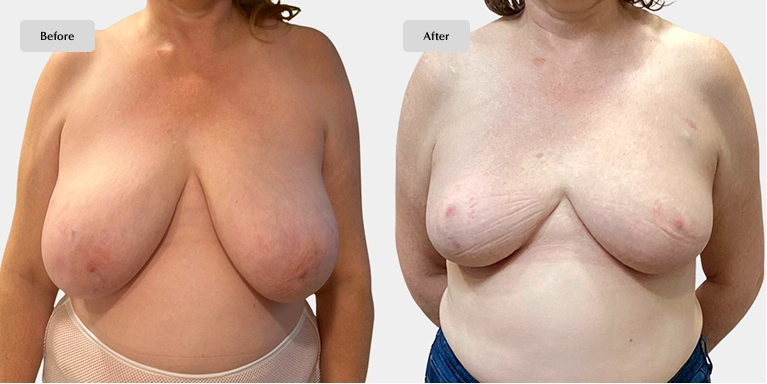
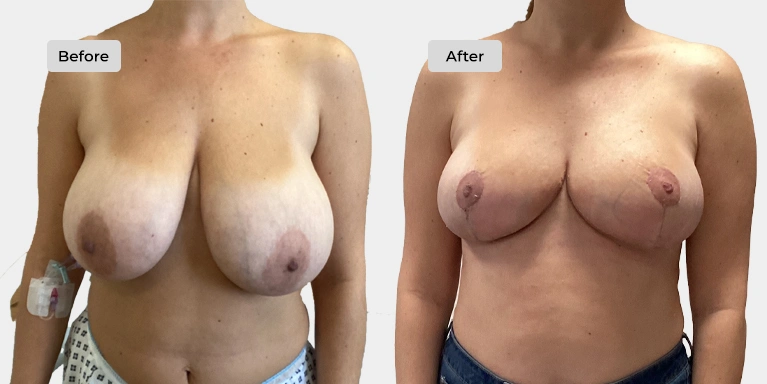
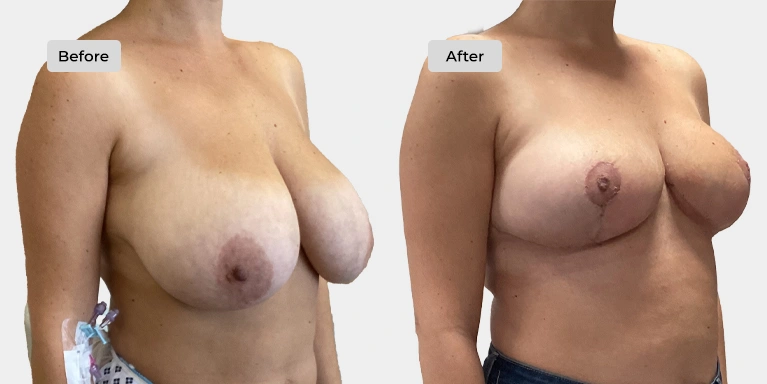
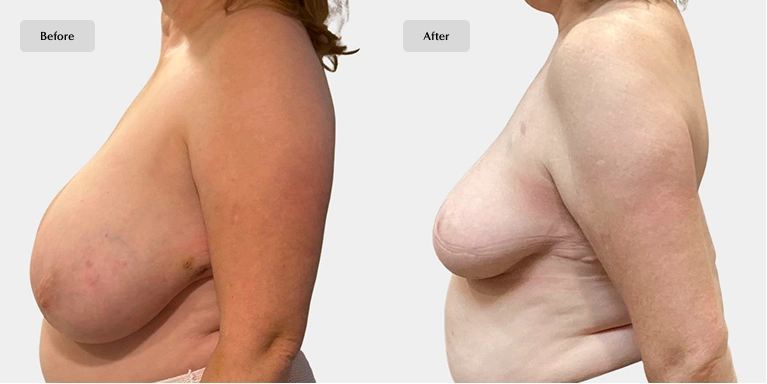
What Is Therapeutic Mammoplasty?
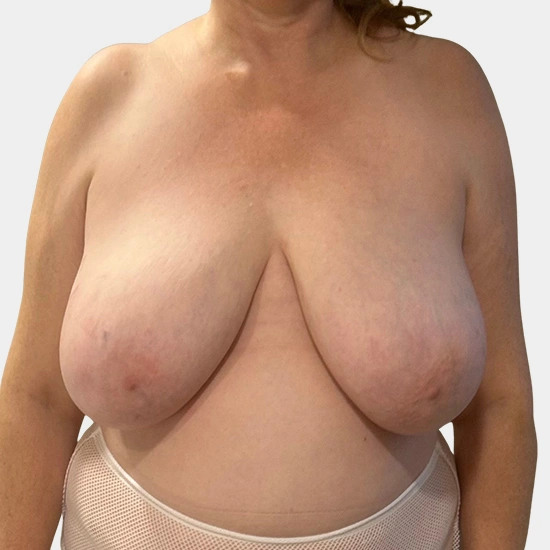
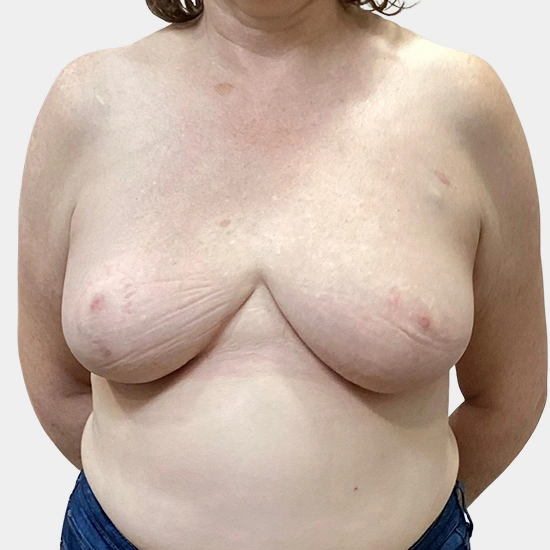
Therapeutic mammoplasty allows removal of breast cancer using a wide local excision, while the remaining breast tissue is carefully reshaped to create a natural, lifted breast. Rather than removing the cancer and leaving a hollow or misshapen area, breast reduction techniques are used to redistribute the tissue and restore balance.
This approach often allows wider margins around the tumour, removal of larger cancers, and preservation of the breast. For many women, it also results in a reduction in breast size and weight, which can ease long-standing symptoms such as back, neck, or shoulder discomfort.
Who May Benefit from Therapeutic Mammoplasty?
Therapeutic mammoplasty may be an excellent option for women with breast cancer who have medium to large breasts and are concerned about breast shape following lumpectomy. It can also be suitable for women who have been advised to consider mastectomy due to breast size or tumour position, or who already experience discomfort related to heavy breasts.
Where appropriate, Ms Varghese can also perform symmetrising surgery on the opposite breast to achieve balance. Axillary surgery, when required, may be performed at the same time and can occasionally involve a separate scar, which is discussed clearly in advance.
Benefits of Therapeutic Mammoplasty
For many women, therapeutic mammoplasty offers both oncological safety and personal benefits. It allows safe and effective cancer removal while preserving the breast, often improving breast shape and symmetry. Reducing breast weight can relieve physical discomfort and may improve comfort during radiotherapy. Many women also report improved confidence and wellbeing following surgery.
Recovery After Therapeutic Mammoplasty
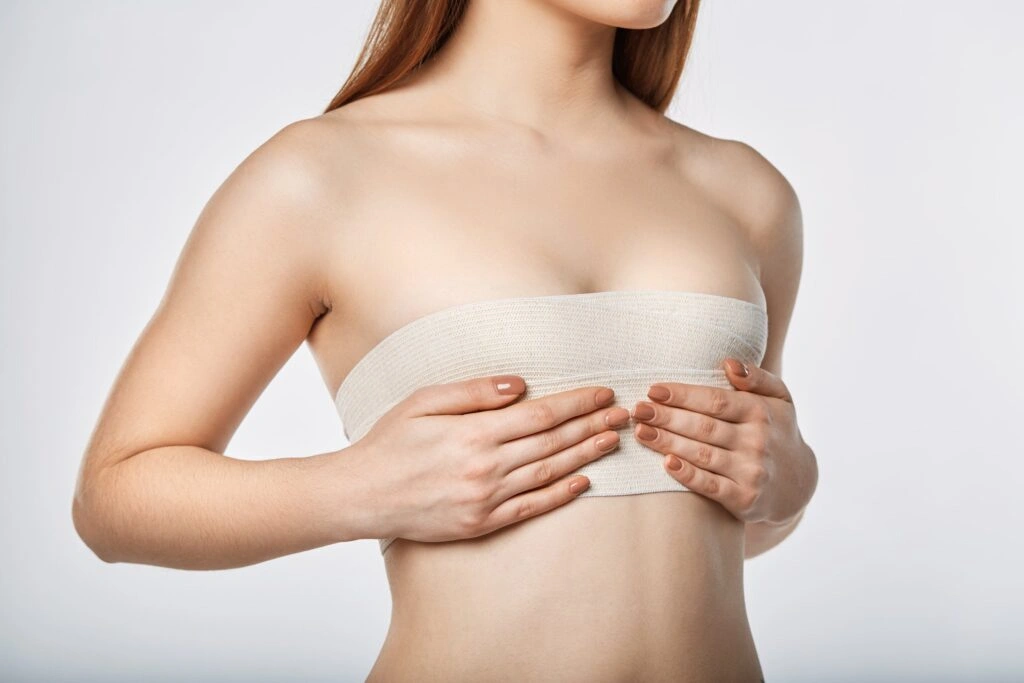
Recovery following therapeutic mammoplasty is usually straightforward. Drains are not routinely used, and absorbable stitches are placed beneath protective dressings. A supportive post-operative bra is provided to aid comfort and healing.
Some women are able to return home on the same day, while others prefer to stay overnight, with discharge usually the following morning. Swelling settles gradually, with most improvement occurring over the first three months. If radiotherapy is required, it is carefully planned in collaboration with the oncology team.
Scars and Long-Term Results
Scars following therapeutic mammoplasty typically soften and mature over 12 to 18 months. It is normal for scars to appear more noticeable in the early stages before gradually fading.
Once healing is complete, Ms Varghese provides guidance on scar massage, silicone scar therapy, and laser treatment where appropriate. Her focus is always on achieving the best possible long-term outcome, both oncologically and aesthetically.
Anaesthetic - General Anaesthetic

Anaesthetic
General Anaesthetic

Hospital 1
night/day case
Drains
No drains
Operating Time
2 hours of surgical time

Time off work
1–2 weeks (depending on occupation)

Exercise
Walking and light activity from 24-48 hrs

Bra support
4–6 weeks

Sutures
Dissolvable – no removal required
Follow-up
1, 2, 4, 6 weeks and 3 months

Driving
Usually after 2 weeks as at this point you may not need any more dressings
Therapeutic Mammoplasty: Overview
Therapeutic mammoplasty is performed under general anaesthetic and usually takes between two and three hours. Hospital stay is typically a day case or one night. Most women take up to two weeks off work, with overall recovery taking around four to six weeks.
About Ms Jajini Varghese MPhil PhD FRCS(Plast)
Ms Jajini Varghese is a dual-qualified consultant breast and plastic surgeon with extensive experience in oncoplastic breast surgery, breast-conserving surgery, and breast reconstruction. She practises in London within specialist breast cancer services and works as part of a multidisciplinary team to deliver safe, evidence-based, and highly personalised care.
Her dual training allows her to combine cancer surgery with reconstructive techniques, helping women achieve excellent cancer outcomes while preserving breast shape and confidence. Read patient reviews here


Specialist Oncoplastic Expertise
Ms Varghese is a dual-qualified consultant breast and plastic surgeon, allowing her to combine cancer surgery with reconstructive techniques. This expertise is particularly valuable in breast conserving surgery, where safe cancer removal and preservation of breast shape are addressed together, helping achieve both effective treatment and a natural-looking result.

Personalised, Compassionate Care
Every woman’s diagnosis, body, and priorities are different. Ms Varghese takes time to listen carefully, explain options clearly, and support patients in a calm, unhurried way. Care is delivered in a discreet and welcoming environment, with respect for privacy, dignity, and emotional wellbeing at every stage.

Comprehensive Aftercare
Care continues well beyond surgery. Ms Varghese remains closely involved throughout recovery, providing guidance on healing, scar care, radiotherapy planning, and long-term outcomes. With this continuity of care, patients feel supported, reassured, and confident as they move forward after treatment.
Frequently Asked Question
Good candidates for a breast lift are individuals with sagging breasts, loss of breast volume, or downward-pointing nipples who desire a more youthful and uplifted breast appearance. It's important to have realistic expectations and be in good overall health.
A breast lift is typically performed through incisions made around the areola, extending vertically down to the breast crease, and sometimes horizontally along the breast crease. Excess skin is removed, and the breast tissue is reshaped to create a lifted and more youthful contour.
Recovery time varies, but most patients can expect swelling, bruising, and mild discomfort for 1-2 weeks. It's important to follow post-operative care instructions provided by your surgeon to ensure optimal healing.