

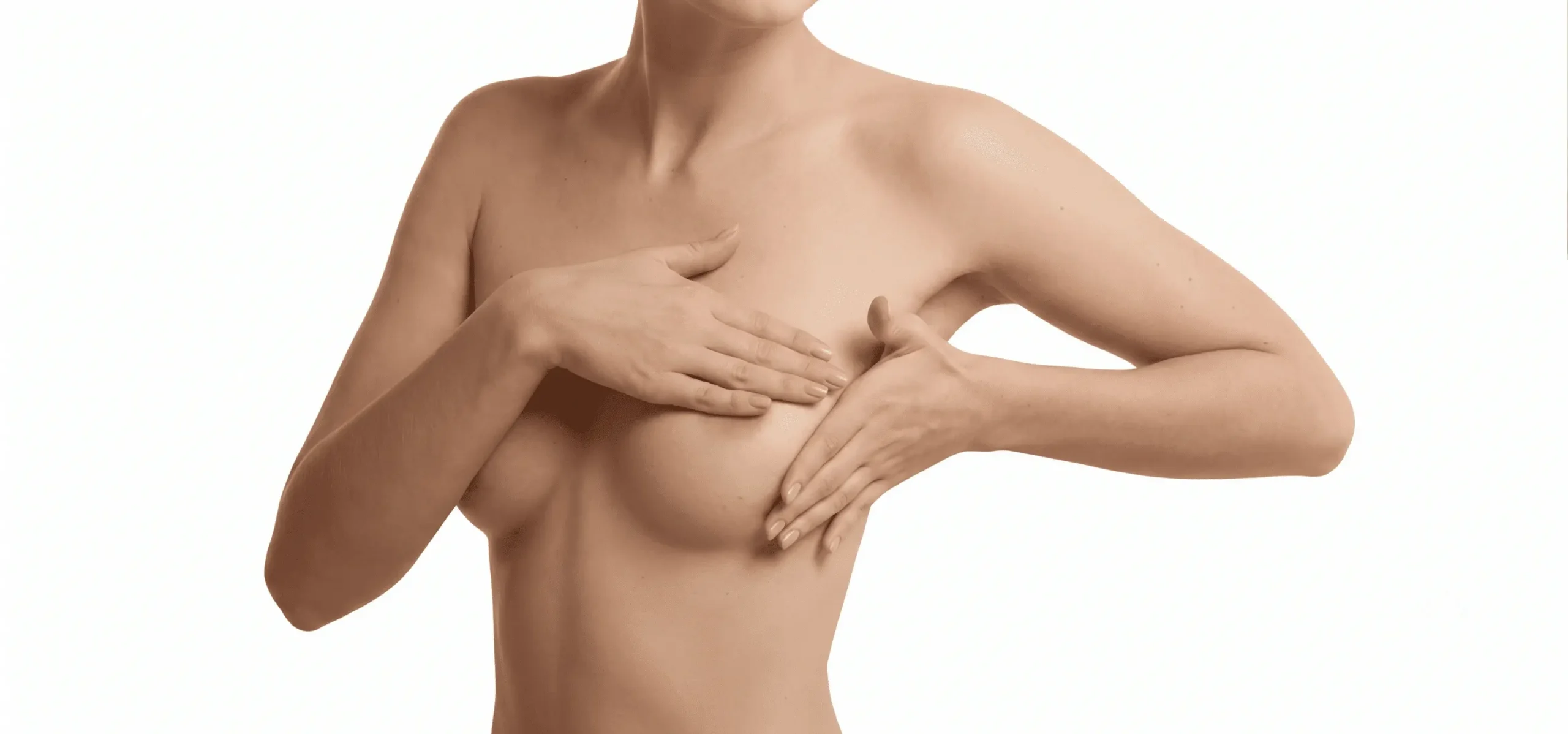
For some women, a mastectomy is the safest or most appropriate treatment for breast cancer. A mastectomy involves removing almost all of the breast tissue to treat cancer or significantly reduce future risk. This can feel like an overwhelming and emotional decision, and it is entirely natural to need time, reassurance, and clear information. Ms Varghese supports women through this process with care and sensitivity, ensuring they understand that breast reconstruction is often possible and highly individualised.
Ms Varghese is a London-based consultant breast and plastic surgeon, practising within specialist breast services on Harley Street, at the London Breast Institute, and within a high-volume NHS breast cancer unit. Her role is to help each woman understand whether a mastectomy is recommended, and to guide her through the full range of reconstructive options, so decisions feel informed, considered, and right for the individual.
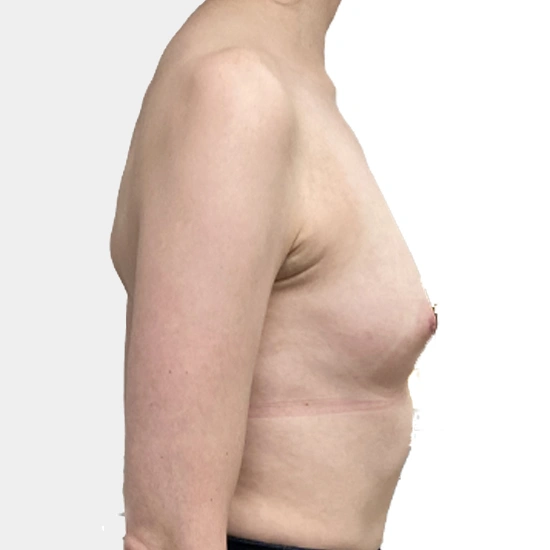
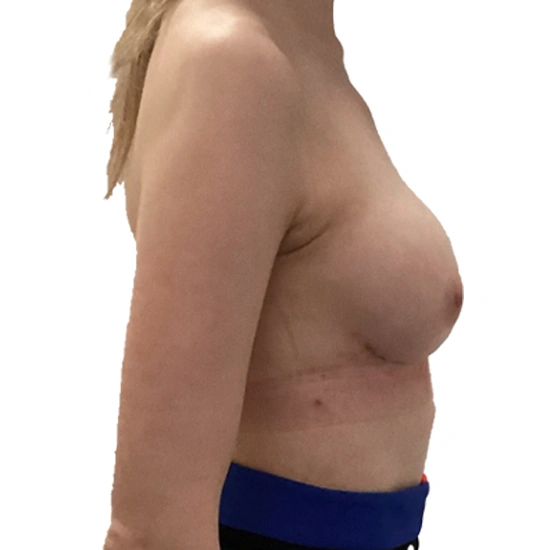
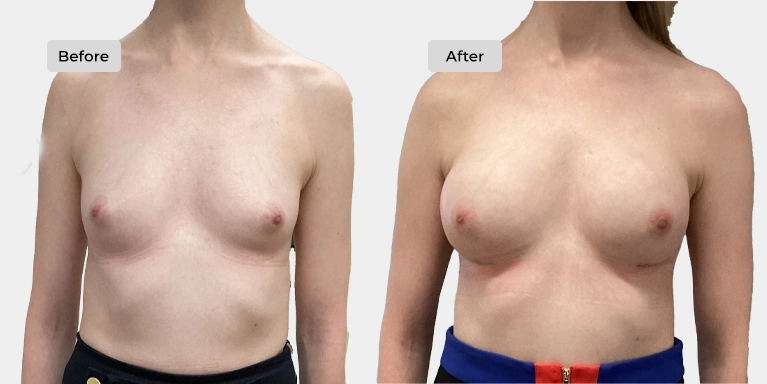
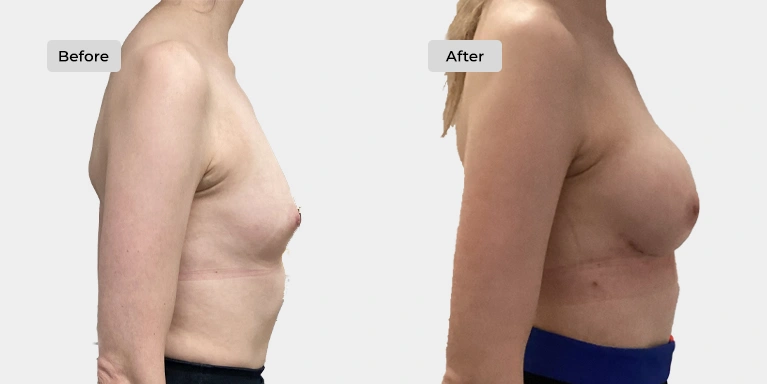
Types of Mastectomy
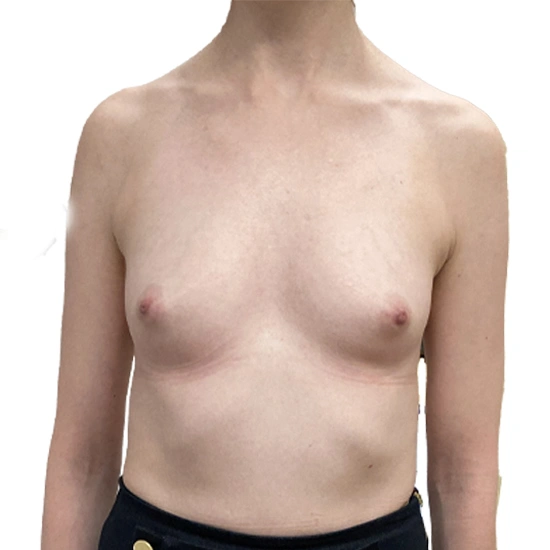
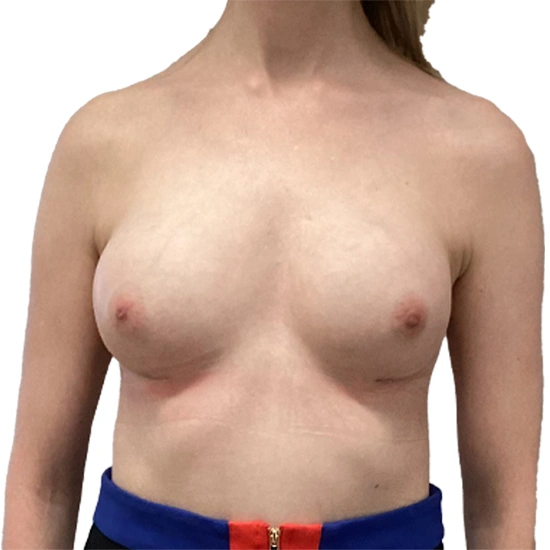
The type of mastectomy recommended depends on the breast cancer diagnosis, breast shape, and personal circumstances. Options may include a simple (total) mastectomy, which removes the breast tissue and skin to create a flat contour; a skin-sparing mastectomy, where most of the breast skin is preserved and reconstruction is performed; or a nipple-sparing mastectomy, where the nipple and skin can be safely preserved in selected cases.
Where oncologically appropriate, skin- or nipple-sparing mastectomy techniques can provide a more natural foundation for breast reconstruction, and Ms Varghese will carefully explain whether these options are suitable, based on both safety and long-term outcomes.
Breast Reconstruction After Mastectomy
Breast reconstruction in London can be performed immediately, at the same time as mastectomy, or delayed, months or years later once cancer treatment is complete. There is no “right” or “wrong” timing. Some women prefer to address cancer treatment and reconstruction in one operation, while others choose to focus on cancer care first.
Reconstruction is always optional, and some women choose not to have reconstruction at all. Ms Varghese fully respects this choice and supports every woman in the decision that feels right for her.

Implant-Based Breast Reconstruction
Implant-based breast reconstruction uses a silicone implant to recreate breast shape. This may be performed as a direct-to-implant reconstruction or in stages using a temporary tissue expander.
Potential advantages include a shorter initial operation, no surgery to another part of the body, and a faster early recovery. Ms Varghese also discusses important considerations, including the fact that implants do not last a lifetime, that future surgery may be required, and that radiotherapy can affect implant outcomes. These discussions are approached with honesty and care, so expectations are clear from the outset.
Autologous (Flap) Breast Reconstruction
Autologous breast reconstruction uses a woman’s own tissue — usually skin and fat from the abdomen or back — to recreate a breast. This approach can offer a more natural look and feel, long-lasting results, and may be better tolerated in women who require radiotherapy as part of their breast cancer treatment.
Because flap reconstruction is more complex, it involves a longer operation, a longer recovery period, and additional scars at the donor site. Ms Varghese takes time to explain these aspects gently and clearly, helping women weigh the benefits and considerations with confidence.
Choosing the Right Reconstruction
There is no single “best” breast reconstruction. The most appropriate option depends on the individual breast cancer treatment plan, whether radiotherapy is needed, body shape, general health, lifestyle, and personal preferences.
Ms Varghese specialises in oncoplastic breast surgery, combining cancer treatment with reconstructive principles. She discusses each option in detail, explaining what is possible, what recovery may involve, and the likely long-term outcomes. She works within a multidisciplinary breast cancer team, ensuring care is coordinated, expert, and personalised.
Recovery and Long-Term Considerations
Recovery following mastectomy and breast reconstruction varies depending on the type of surgery performed. Ms Varghese provides clear guidance on expected recovery times, scar care, changes in sensation, and the possibility of future revision surgery. Her approach focuses not only on physical healing, but also on supporting emotional wellbeing.
Anaesthetic - General Anaesthetic

Anaesthetic
General Anaesthetic

Hospital
1 night
Drains
Drains for 1 week if mesh is used
Operating Time
2–3 hours of surgical time

Time off work
1–2 weeks (depending on occupation)

Exercise
Walking and light activity from 24-48 hrs

Bra support
4–6 weeks

Sutures
Dissolvable – no removal required
Follow-up
1, 2, 4, 6 weeks and 3 months

Driving
Usually after 2 weeks as at this point you may not need any more dressings
Care, Support, and Reassurance
Decisions around mastectomy and reconstruction can feel daunting. Ms Varghese ensures that no woman ever feels rushed. She takes time to answer questions, revisit discussions, and support each patient in making choices that align with her values and priorities.
Every treatment plan is discussed within a specialist multidisciplinary breast cancer MDT, drawing on expertise from surgery, oncology, radiology, pathology, and genetics. This ensures that recommendations are safe, evidence-based, and tailored to the individual, whether care is delivered privately on Harley Street, through HCA Healthcare UK, or within the NHS.
Throughout the journey, Ms Varghese’s care is defined by compassion, clarity, and respect — helping women feel supported, informed, and confident at every step.
Why Choose Jajini Varghese for Mastectomy and Breast Reconstruction in the UK?
For women who require a mastectomy as part of breast cancer treatment or risk reduction, choosing the right surgeon is an important and deeply personal decision. Ms Jajini Varghese provides expert, compassionate care for women undergoing mastectomy, with a strong focus on safety, individual choice, and long-term wellbeing.
Working within the London Breast Institute, care is delivered through a specialist multidisciplinary breast cancer service in London, ensuring that every treatment plan is discussed collaboratively and tailored to the individual. Reconstruction, where appropriate, is carefully planned alongside cancer treatment, with a clear explanation of options and outcomes.
As a dual-qualified consultant breast and plastic surgeon, Ms Varghese brings together oncological expertise and reconstructive skill. Her experience in mastectomy, oncoplastic breast surgery, and breast reconstruction allows her to personalise care with careful attention to form, function, and long-term results. From the first consultation through to recovery, patients are supported with clarity, honesty, and thoughtful surgical planning, whether seen on Harley Street, within HCA Healthcare UK, or as part of an NHS breast cancer pathway.
The focus throughout is on personalised care, informed choice, and the highest standards of surgical excellence, while supporting both physical recovery and emotional wellbeing.


Dual-Qualified Surgical Expertise
Ms Varghese is among a small number of surgeons in the UK who are dually trained in both breast surgery and plastic surgery. This rare combination allows her to approach mastectomy and breast reconstruction with a deep understanding of both cancer safety and reconstructive principles. Whether a woman is considering implant-based reconstruction, autologous (flap) reconstruction, or choosing not to reconstruct, this dual expertise ensures that decisions are guided by oncological safety, aesthetic balance, and long-term outcomes. Each surgical plan is developed with careful consideration of both form and function.

Personalised, Compassionate Care
From the first consultation onwards, Ms Varghese takes time to listen, explain, and support. She understands that decisions around mastectomy and reconstruction can feel overwhelming, and ensures that patients never feel rushed or pressured. Care is provided in a calm, discreet, and welcoming environment, where privacy, dignity, and emotional wellbeing are prioritised. Each woman is supported in making choices that feel right for her values, lifestyle, and priorities. Where important, a female-only clinical team can also be arranged to help patients feel completely at ease.

Comprehensive Aftercare
Care does not end with surgery. Ms Varghese remains closely involved throughout recovery, offering ongoing regular reviews with imaging to monitor for recurrence, clear guidance, and prompt support for any concerns that arise. Recovery, scar care, changes in sensation, and longer-term considerations are discussed openly and sensitively. With this continuity of care and personal approach, patients can feel reassured, supported, and confident at every stage of their mastectomy and reconstruction journey.